
Inpatient Support
How the Program Works
Forest City Healing Centre provides a structured, professionally guided residential recovery program for adult men seeking stability, clarity, and a sustainable return to health. Our 28-day program is designed to support early recovery at a manageable pace, within a calm, respectful, and community-based environment.
The program is grounded in evidence-based addiction treatment principles and a psychosocial understanding of substance use. Daily structure emphasizes routine, emotional regulation, accountability, and practical skill development to support stabilization during early recovery. Programming is abstinence-focused and delivered within clearly defined non-medical scope of practice.
Clinical operations and program development are led by Tom Cruikshank, an experienced addiction and mental-health professional with extensive background across hospital, community, correctional, and residential treatment settings. His work in assessment, crisis response, motivational interviewing, relapse prevention, and trauma-aware care informs a consistent, ethical, and structured program model.
Medical oversight is provided by Dr. Janel Gracey, an addiction and pain-management physician with advanced training in addiction medicine, family practice, hospitalist care, and interdisciplinary program development. Her involvement supports medical safety, clinical integrity, and alignment with provincial standards while respecting the program’s non-medical treatment framework.
Daily programming integrates group-based therapeutic work, emotional literacy, reflective practices, and skill-building approaches commonly supported in addiction treatment research, including motivational, cognitive-behavioural, and relapse-prevention frameworks. The focus is on helping individuals better understand patterns of use, strengthen coping strategies, and build stability through structure and accountability.
While Forest City Healing Centre does not make therapeutic guarantees, the program is delivered with a clear commitment to ethical care, evidence-based practice, and the provision of a safe, respectful, and structured environment where meaningful recovery work can begin.
Leaving residential support can bring up mixed feelings. To make the transition easier, we offer guidance before discharge and continued connection through Lifetime Aftercare. Guests return home with clearer routines, stronger self-awareness, and a steady point of contact if they need support. Families and referrers are included in this process when appropriate, helping ensure a smooth return to daily life.
What We Offer
Our 28-day residential recovery program provides a calm, structured environment where men can focus on healing the emotional and behavioural patterns connected to substance use. Located in London, Ontario, the program blends trauma-informed practices, psychoeducation, emotional literacy, small-group engagement, and routine-building to support early recovery in a steady, grounded way.
Guests receive support both before arrival and after program completion through Lifetime Aftercare. This includes recovery groups, regular check-ins, and access to ongoing resources — ensuring men are not navigating early recovery alone.
Our approach is centred on dignity, emotional safety, personalised care, and helping each man take the next honest step forward — without pressure, stigma, or unrealistic expectations.
What A Day at FCHC Looks Like
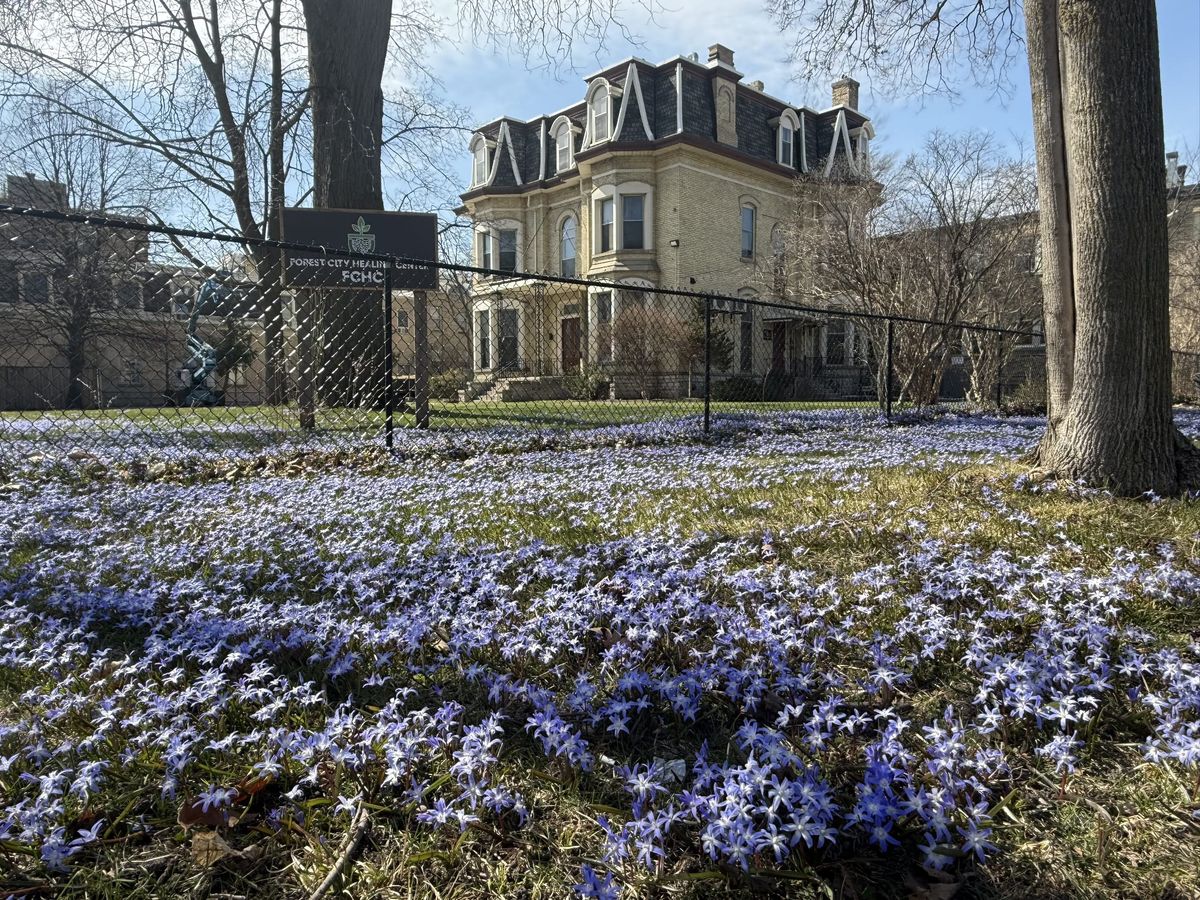
A day at Forest City Healing Centre is steady, structured, and predictable. Our 28-day men’s residential recovery program in London, Ontario follows a daily routine designed to reduce stress, support emotional safety, and build stability during early recovery.
Each day begins with grounding practices and consistent routine. Mornings typically include group sessions focused on emotional literacy and psychoeducation, helping men better understand emotional patterns, coping behaviours, and the connection between stress, substance use, and daily life. These sessions are delivered within a trauma-informed men’s program that prioritizes clarity, respect, and participation at a manageable pace.
Afternoons continue with group-based programming, reflective exercises, and skill-building activities. Time is also built in for personal reflection, journaling, movement, or outdoor time, allowing men to integrate what they are learning and regulate their nervous systems.
Evenings are intentionally calmer. Shared meals, peer connection, and structured downtime help reinforce routine and community living. The day closes with quiet or guided check-ins that prepare guests for rest and the day ahead.
Throughout the day, staff offer guidance, answer questions, and maintain a calm, supportive environment. The goal is not intensity or pressure, but consistency — providing a safe place to practise new patterns, build emotional awareness, and develop routines that support lasting recovery.
Recovery at FCHC is built through daily structure, steady support, and repetition that helps men regain a sense of rhythm, confidence, and direction as they move forward.
A typical day includes: